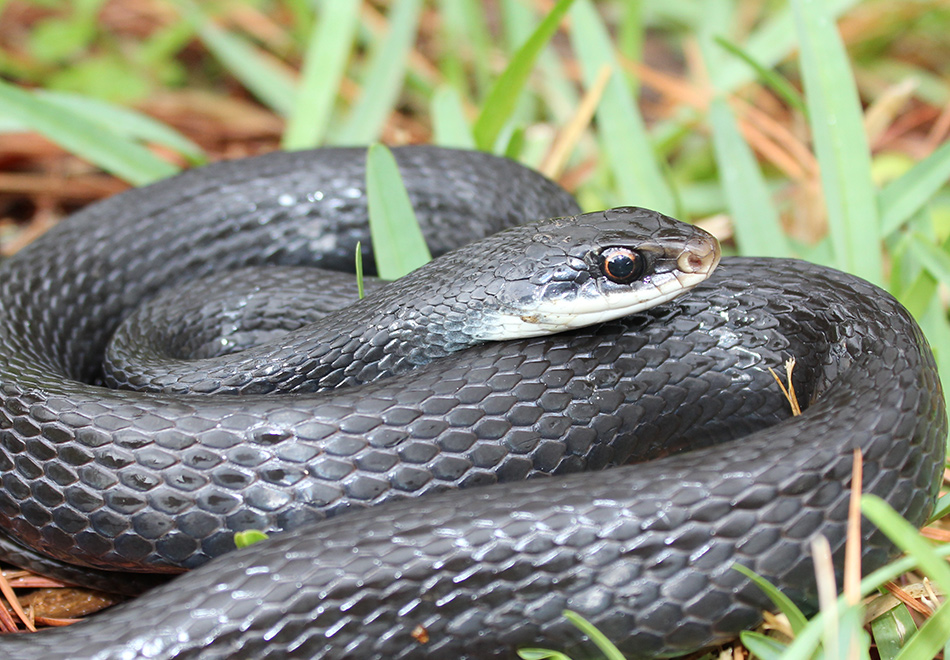
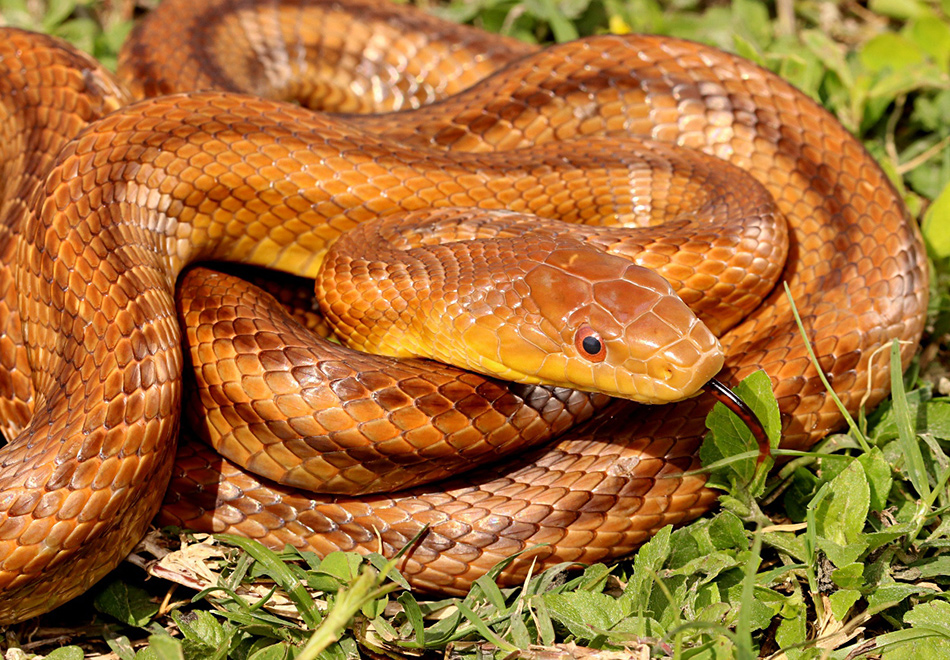
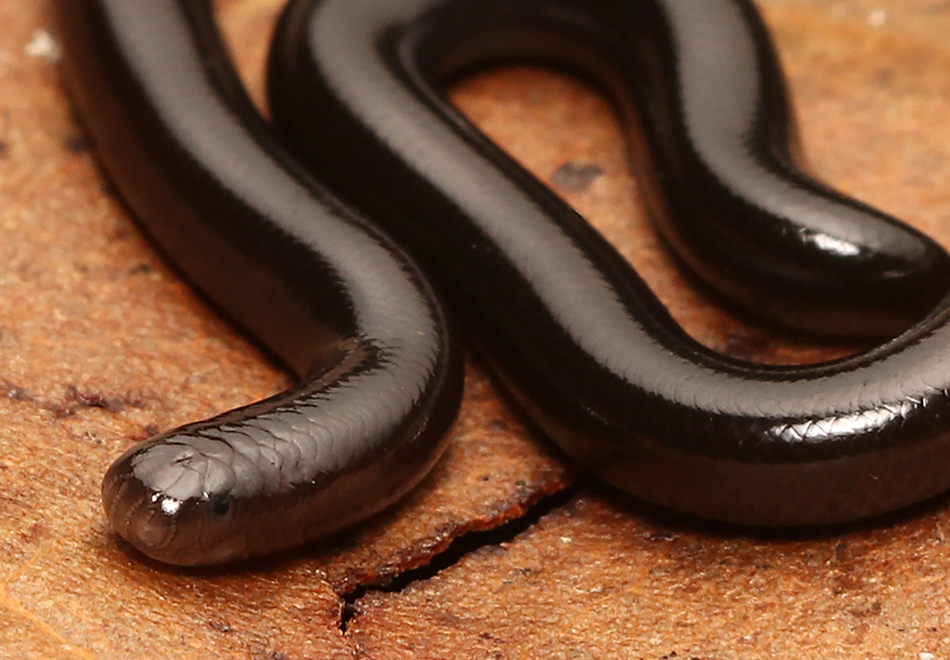
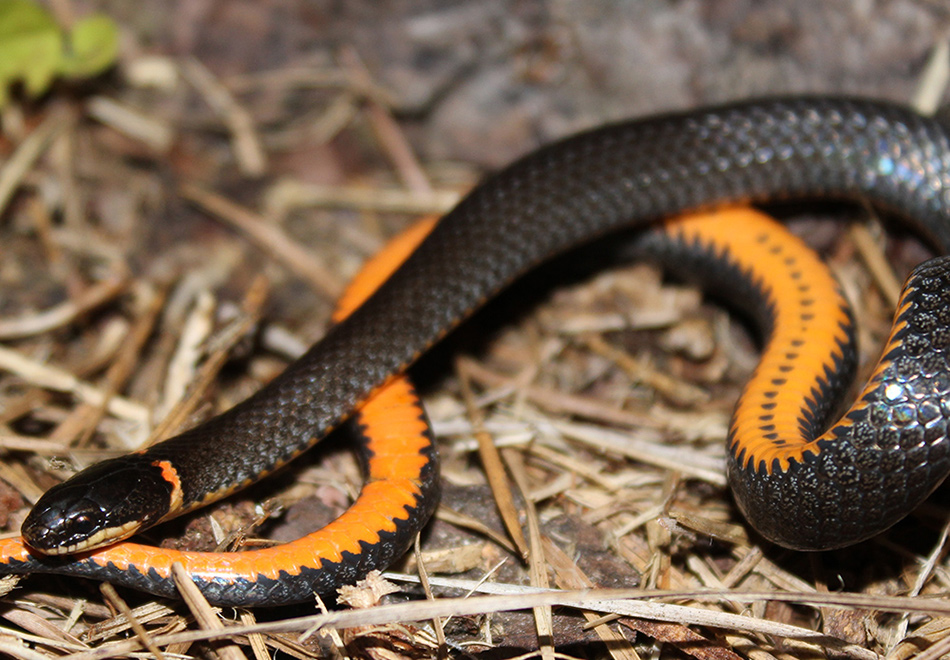
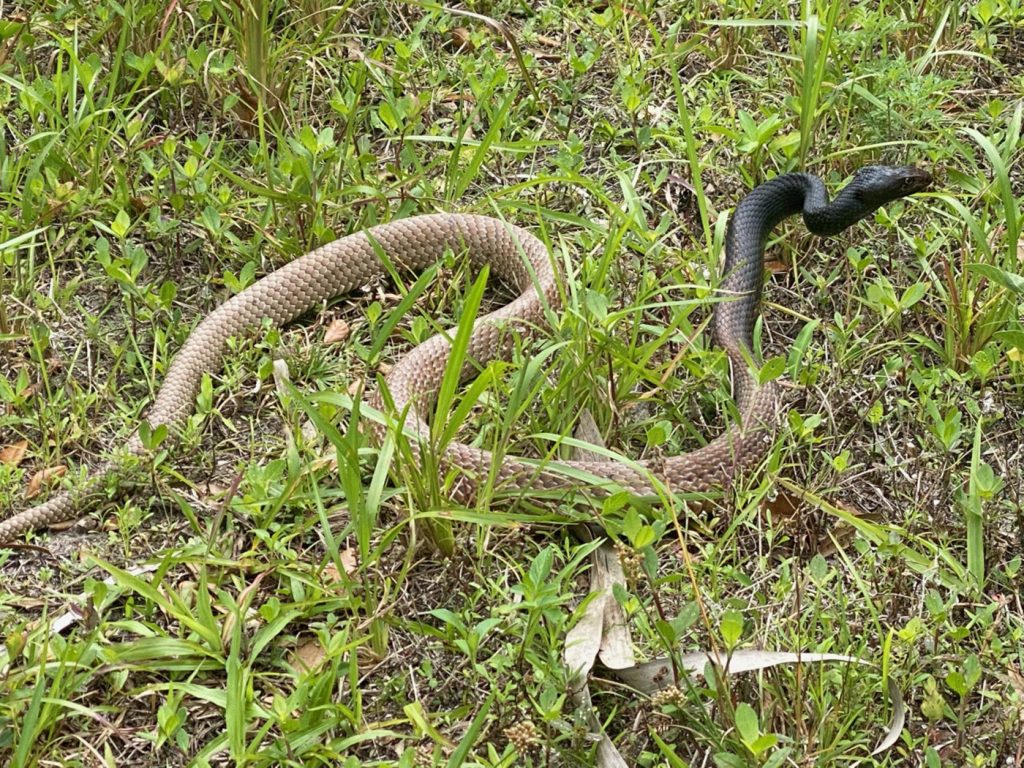
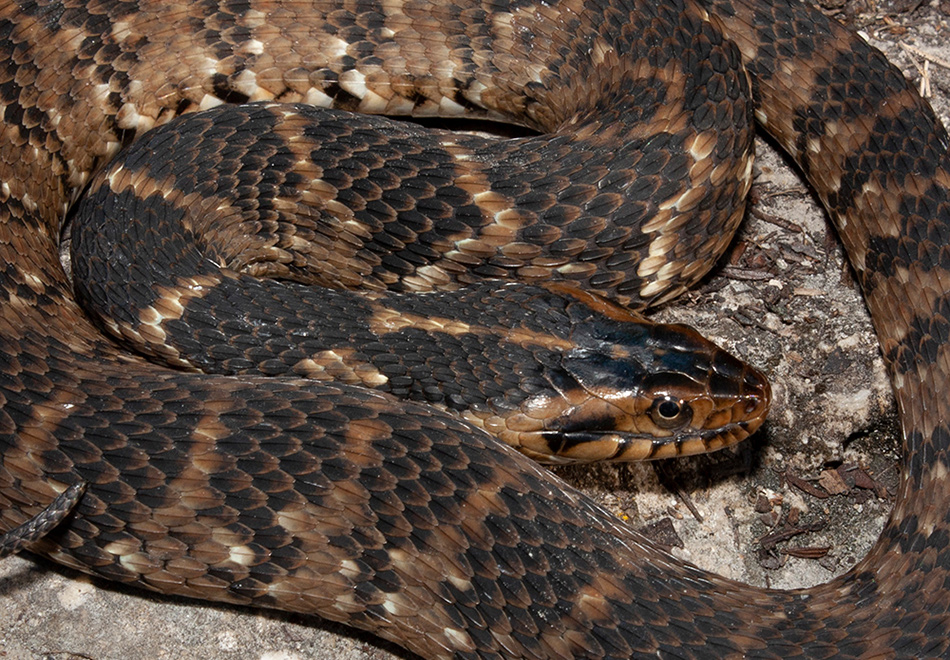
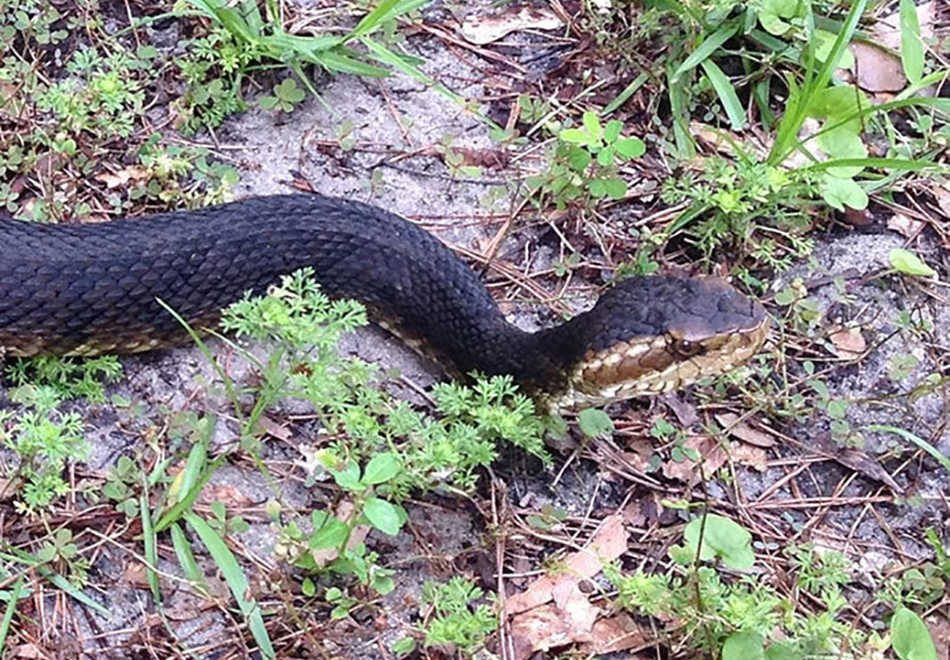
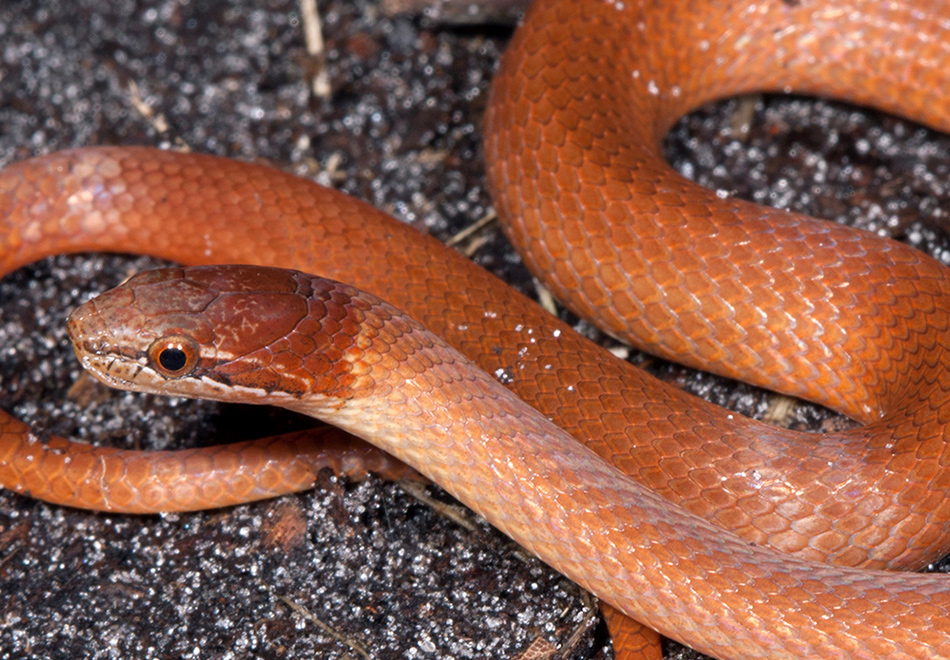
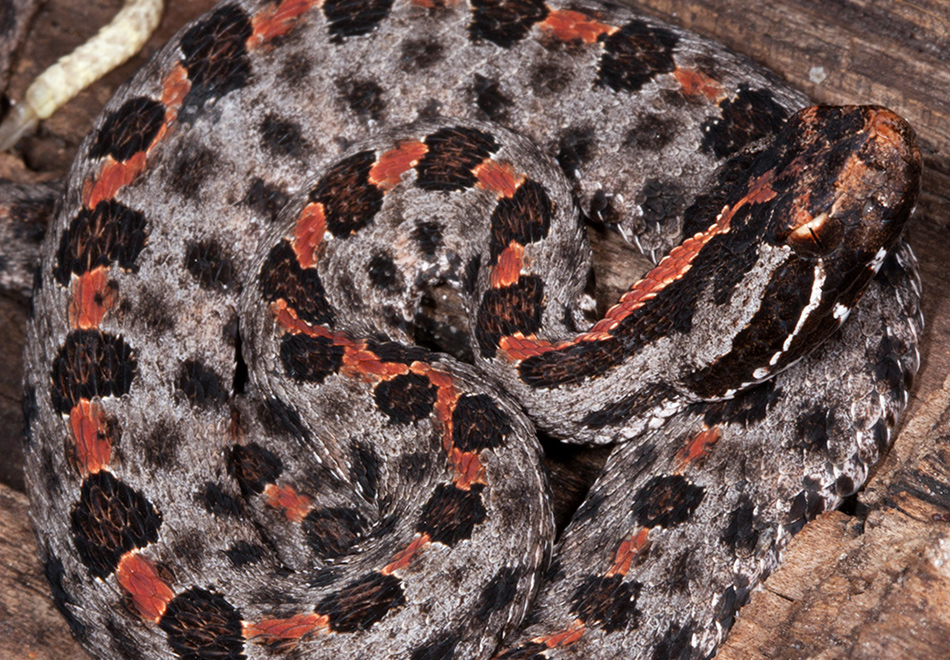
This snake is found in pinelands and on barrier islands This species eats snakes and other reptiles Can you find this small snake in the Guide? This harmless snake is often mistaken for a cottonmouth This snake is frequently seen around Florida backyards
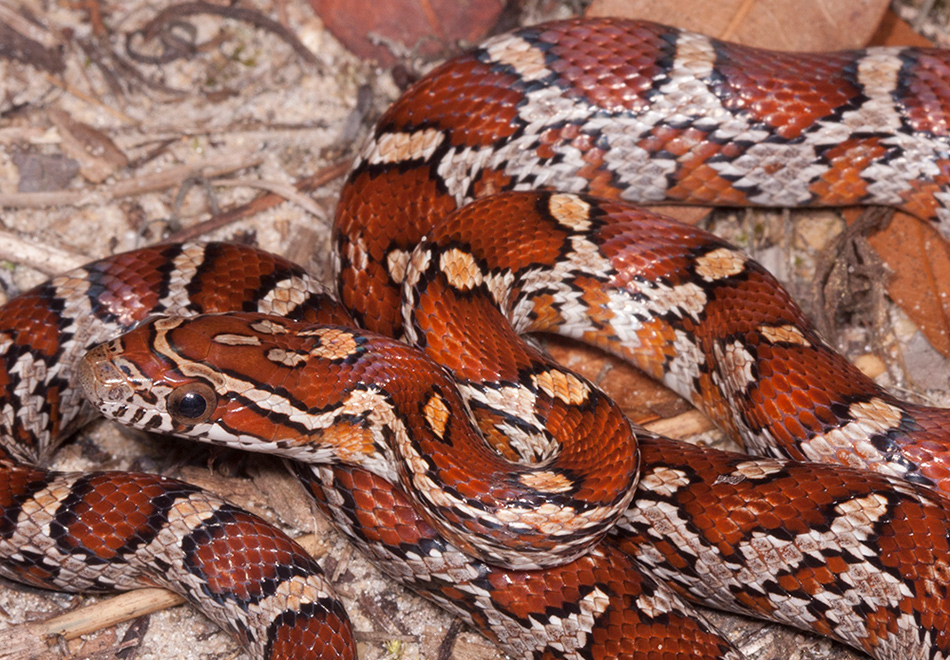
This is one of Florida's more colorful snakes A rare snake from central Florida Is this snake venomous or a harmless mimic? Everyone knows a harmless green snake This snake lives in salt marshes

If you live in Florida and you would like to know more about the snake you found in your backyard, or in your swimming pool, or the one you saw in the pine flatwoods, or crossing the road, this Guide will answer your questions. It is the best online source of information about Florida snakes:

  • What species are found in Florida?
  • Where in Florida?
  • How can I identify them — safely?
  • Will they bite?
  • Are they venomous?
  • What do they look like?
  • Where do they live?
  • What do they eat?
  • How big do they grow?
  • How can I safely remove snakes from my yard?
The answers to these questions and many more are in the pages that follow.

If you see a snake, but do not know what it is, the 'Key to Identification' (above on the left) will help you identify it.

If you already know what species the snake is, you will find information about it by clicking on its name in the 'List of Florida Snakes'.

This Guide was written in non-technical terms for the average citizen, the homeowner, gardener, fisherman, camper, birdwatcher, teacher, student, resident, or tourist, who would like to know more about Florida snakes. If you are a herpetologist, amateur or professional, you will be disappointed because the usual scientific jargon has been replaced with terms anyone can understand. When the meaning of particular descriptions might be in doubt, links are provided to explanatory illustrations and photographs.


Top of This PageGuide to Venomous Snakes of Florida
Checklist of Florida Amphibians and ReptilesFlorida Herpetology

Copyright © 1999, 2000, 2006 Florida Museum of Natural History.